





Rhinoplasty Before and After: What You Should Know | A Shibuya Cosmetic Clinic Explains
“When I see rhinoplasty before and after photos, the changes look so dramatic it makes me nervous… I don’t want to end up looking like that.” — Have you ever felt this way?
Here’s the key takeaway: with the right choice of procedure and a skilled surgeon’s diagnosis, rhinoplasty can absolutely deliver results that are subtly refined and natural-looking — without overdoing it. What matters most is not choosing a procedure based solely on before and after photos, but selecting a method suited to your own bone structure, skin, and cartilage.
As a general guide, downtime is typically about 1–2 weeks depending on the procedure, though the degree of swelling and bruising varies from person to person. In this article, we walk through the main rhinoplasty procedures, what changes to expect in before and after comparisons, and the key factors for achieving a natural-looking result.
✅ Main rhinoplasty procedures and what changes to expect before and after
✅ What determines a “natural-looking result” — and the common pitfalls to avoid
✅ What to confirm before your procedure to avoid regret
Why Before and After Photos Can Leave You Feeling Unsure
Online before and after photos are often misleading
When considering rhinoplasty, most people start by searching for “before and after photos” online. However, differences in camera angle, lighting, and whether the images have been retouched can make the apparent changes look very different from reality. Some photos may make a result look dramatically different, while others may seem to show hardly any change at all — and that gap is often due to photography conditions, not just the procedure itself.
It’s also important to remember that someone else’s before and after is not a prediction of your own results. Because bone structure, skin thickness, cartilage shape, and desired design differ from person to person, the same procedure can produce visibly different outcomes.
The fear of “changing too much”
One of the most common anxieties about cosmetic surgery is: “What if I end up with an unnatural-looking nose?” The ideal outcome is a result so natural that no one can tell you’ve had work done — yet your face looks noticeably more refined. Achieving that requires thorough pre-operative diagnosis.
Which procedure suits your specific concern is something a doctor can determine only after examining your facial balance and nasal structure in person. Before and after photos should be used strictly as reference — not as a roadmap.
Not knowing what you actually want from rhinoplasty
If your feeling is simply “something about my nose bothers me,” you need to define that concern more clearly before choosing a procedure. A flat nasal bridge, a round nasal tip, a low nose, wide nostrils — each concern calls for a completely different technique. Clarifying what specifically bothers you before you begin researching is the first step toward a rhinoplasty you won’t regret.
Main Rhinoplasty Procedures and Expected Before-and-After Changes
Different procedures change different areas — and to different degrees
Rhinoplasty is not a single procedure — there are several techniques, each producing different types of changes. Here’s an overview. Please note that results vary by individual.
This procedure involves inserting a prosthetic implant (medical-grade silicone) along the nasal root and bridge. It’s suited for patients whose nose is low or whose bridge lacks definition. In before and after comparisons, you can typically expect a more defined nasal bridge visible from both the front and in profile. Non-surgical augmentation using hyaluronic acid injections requires no incisions and is less invasive, but periodic maintenance is needed. In either case, the degree of change varies by individual.
This procedure reshapes the nasal tip through techniques such as cartilage suturing or ear cartilage grafting. It’s ideal for patients concerned about a round or wide nasal tip (sometimes called a “bulbous tip”). In before and after photos, changes typically appear as a sharper tip when viewed from the front and a more defined angle in profile. The approach varies depending on whether a closed or open technique is used.
This procedure removes or sutures tissue from the nasal ala (nostrils) to reduce their width and spread. It’s suited for patients who feel their nostrils flare when they smile or whose nose appears wide from the front. Before and after comparisons typically show a visible change in the frontal impression, with an overall facial balancing effect. Careful incision line design is crucial to minimize visible scarring.
Combining procedures can expand the range of results
Since nose concerns are often multifaceted, combining procedures — such as augmentation rhinoplasty with nasal tip refinement — can help achieve results closer to your ideal. However, combining more procedures also means more downtime and physical burden to consider. A physician’s examination is necessary to determine which combination is right for you.
Rhinoplasty Downtime and How Long Until Before-and-After Results Stabilize
Right after surgery ≠ the final result
The visible difference in rhinoplasty before and after photos becomes apparent once swelling and bruising subside. It’s important to understand that the appearance immediately after surgery is not the finished result — it’s still part of the recovery process.
While this varies by procedure and individual constitution, most of the noticeable swelling generally subsides within 1–2 weeks, and results tend to stabilize over the course of 1–3 months. However, these are estimates, and individual variation is significant. Patience during the healing process is key.
What to be careful about during recovery
⚠ General precautions during the recovery period
・Avoid touching, pressing, or massaging the nose forcefully
・Intense exercise and long hot baths may worsen swelling
・Sleeping face-down or on your side may affect the shape
・Refrain from applying makeup to the treated area until cleared by your doctor
・If you notice any concerning symptoms, consult your surgeon rather than self-diagnosing
Precautions may vary depending on the procedure and clinic policy. Always follow your surgeon’s instructions.
Common misconception: “Once the swelling goes down, it’s done”
When the visible swelling subsides after 1–2 weeks, some patients assume the result is final. In reality, it takes additional time for the tissues to settle and inflammation to fully resolve. When you compare before and after photos at the 3-month or 6-month mark, many patients find their results look even more natural and refined. Attending your post-operative follow-up appointments is key to maximizing satisfaction.
What It Takes to Achieve a Natural-Looking Before and After
Design tailored to your bone structure matters more than copying a look
One of the most common causes of regret after rhinoplasty is trying to replicate someone else’s before and after result — or a magazine model’s nose — without accounting for your own anatomy. A truly natural-looking outcome is achieved only when the procedure is designed around your specific bone structure, facial balance, and skin condition.
For example, raising the nasal bridge without considering overall facial proportions can look unnatural. Conversely, even a subtle change, when matched to your anatomy, can produce the kind of transformation where people say, “Something looks different — you look great” without being able to pinpoint what changed.
Understand both the benefits and limitations before you decide
✅ Benefits of surgical rhinoplasty
・Results tend to be long-lasting
・Addresses the root cause through changes to bone structure and cartilage
・Repeat procedures are often unnecessary
・Allows for design that’s tailored to the patient’s bone structure
⚠ Limitations and considerations of surgical rhinoplasty
・There is a recovery period (generally 1–2 weeks depending on the procedure; individual variation applies)
・Risks such as infection or shape irregularity, while uncommon, are not zero
・If a revision is needed, it requires another surgical procedure
・It may take several months for the final result to appear
Why seeing a doctor — not a counselor — makes all the difference
An often-overlooked factor when choosing a cosmetic clinic is whether the procedure is recommended by a counselor or by a physician. Counselors serve a hospitality and explanation role — they cannot make medical diagnoses. Only a physician can accurately assess the condition of your nose and recommend an appropriate procedure.
Choosing a clinic where the doctor examines you from the very first visit — evaluating your bone structure and skin while formulating a treatment plan — is what leads to both a natural result and a safe procedure.
What to Confirm Before Surgery to Avoid Regret
Questions to ask during your pre-operative consultation
Before undergoing rhinoplasty, we recommend confirming the following with your clinic and surgeon:
・Why is this specific procedure being recommended for your concern? (Is the rationale clearly explained?)
・What is the estimated downtime, and how will it affect your work and daily life?
・Are the potential risks and complications clearly explained?
・What aftercare system is in place after the procedure?
・Is there a guarantee or revision policy if the result is not as expected?
Whether a clinic and its doctors can provide thorough answers to these questions is a strong indicator of whether you can trust them with your procedure.
If you’re considering rhinoplasty in Shibuya, prioritize doctor-led consultations
Shibuya, Tokyo has many cosmetic clinics, but their consultation systems vary widely. It’s important to confirm in advance at what stage the physician gets involved. Choosing a clinic where the doctor leads the entire process — from examination to diagnosis to treatment recommendation — increases the likelihood of receiving an accurate procedure recommendation tailored to your condition.
Shibuya’s excellent transportation access also makes it convenient for follow-up visits. Since rhinoplasty requires ongoing post-operative check-ups, choosing a clinic in an easily accessible location is an important practical consideration.
Tokyo Misen Clinic’s Approach to Rhinoplasty
👨⚕️ A Message from Director Ryohei Tsuchida (Tokyo Misen Clinic)
The nose sits at the center of the face, which means even subtle changes can significantly impact your overall appearance. What I value most is my guiding principle: “An accurate diagnosis, the right procedure, at a fair price.” Rather than deciding on a procedure based on before and after photos alone, I carefully examine each patient’s bone structure, skin, and personal goals before recommending the best approach. I want this clinic to be a place where people who think, “I want to look better, but I want to be careful about it,” feel truly heard and supported. Please come in for a consultation — I’d love to help.
Frequently Asked Questions About Rhinoplasty Before and After
Q: When do rhinoplasty before-and-after results stabilize?
A: This varies by procedure and constitution, but noticeable swelling generally subsides within about 1–2 weeks, and the final result is considered stable after approximately 3–6 months. However, individual variation is significant. It is important to follow your surgeon’s instructions and attend regular post-operative follow-up appointments.
Q: Can rhinoplasty achieve my ideal result in a single procedure?
A: The more thorough the pre-operative diagnosis and planning, the closer you can get to your ideal in a single procedure. However, results do vary by individual, and depending on your constitution and healing process, fine adjustments may occasionally be necessary. Attending follow-up appointments and raising any concerns with your surgeon early on is key.
Q: How can I schedule a rhinoplasty consultation in Shibuya, Tokyo?
A: At Tokyo Misen Clinic, Director Ryohei Tsuchida personally conducts every consultation from the first visit. Please feel free to contact us via our official LINE or inquiry form. We are located just a 1–2 minute walk from JR Shibuya Station, and our fully appointment-based system ensures a private consultation environment. The initial consultation fee is 2,200 yen (tax included).
📋 Summary
✅ Rhinoplasty before and after results vary depending on the procedure, bone structure, and skin condition — someone else’s photos are not a prediction of your outcome
✅ The appearance right after surgery is not the final result; it generally takes 3–6 months for results to fully stabilize (individual variation applies)
✅ Achieving a natural-looking result requires a procedure designed for your bone structure and an accurate diagnosis by a physician
✅ Choosing a clinic where the doctor — not a counselor — leads the consultation from the start provides greater assurance
✅ The quality of aftercare and whether a guarantee program is offered are also important criteria when choosing a clinic
Ready to Discuss Your Rhinoplasty? We’re Here to Help.
At Tokyo Misen Clinic in Shibuya, the director personally consults with you from your very first visit. Whether you’re wondering which procedure suits you best or simply want a natural-looking result, we welcome your questions. By appointment only, with private treatment rooms for your comfort.
Book a Consultation / Contact Us
Supervising Physician
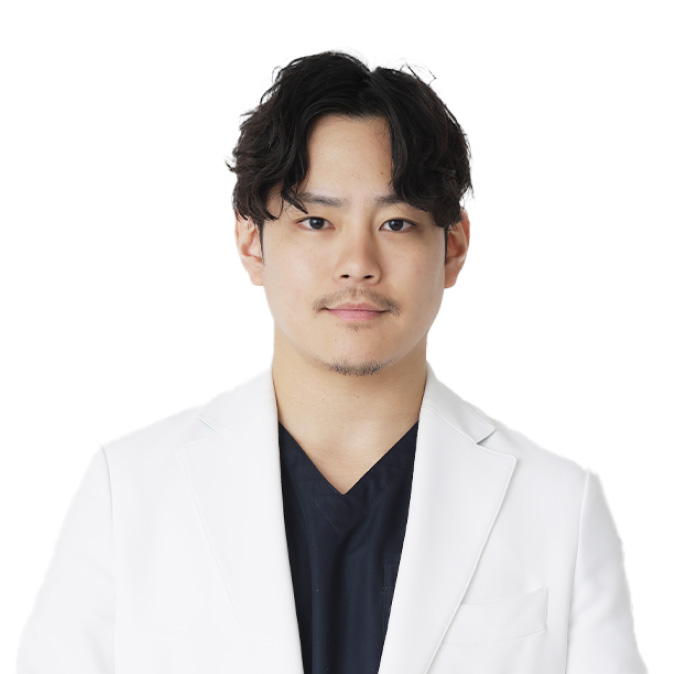 Ryohei Tsuchida, Director
Our clinic strives to provide personalized aftercare and offers a wide range of options — from aesthetic dermatology treatments to cosmetic surgery — to deliver the optimal plan for each patient. From skin rejuvenation and minor procedures to transformative surgeries, you can trust us with your care.
Qualifications and affiliations: Born in Oita Prefecture. Graduated from Kyoto University, Faculty of Engineering, Department of Physical Engineering. Graduated from Nara Medical University, Faculty of Medicine. Research fellow at Harvard Medical School, Joslin Diabetes Center. Practiced at Nara Medical University Hospital and Kinki University Nara Hospital. Practiced at Tenri Yorozu Consultation Hospital. Founded Tokyo Misen Clinic.
This article was created under medical supervision in accordance with Japan’s Medical Advertising Guidelines. The effects, costs, and duration of treatment vary by individual. Please consult a physician for details.


