






Rhinoplasty in Japan: A Guide to Procedures, Downtime, and Choosing a Clinic
“My nose bothers me, but surgery is frightening. What procedures are available in Japan, and how much do they cost?” Many people are weighing exactly this.
Here’s the bottom line: rhinoplasty in Japan varies considerably by procedure in purpose, downtime, and cost. Correctly choosing the procedure that fits your concern is the single biggest factor in a natural result and a satisfying outcome.
The main procedures include dorsal augmentation (silicone implant or hyaluronic acid), tip plasty, and alar reduction, and each differs in typical cost and recovery time (results vary from person to person). This article sets out the characteristics of each procedure through to how to choose without regret.
Common concerns to understand before considering rhinoplasty
Concerns about the nose are deeply personal. “My nose looks flat from the front.” “My tip is round and looks heavy.” “My nostrils spread outward and it bothers me.” Each of these has a different cause, and each has a suitable approach.
Among people visiting a cosmetic surgery clinic, questions about the shape and height of the nose are one of the most common categories — which is to say a great many people are troubled by the shape of their nose.
At the same time, we hear a great deal of anxiety: “I don’t want anyone to know,” and “what if it ends up looking unnatural?” Researching while carrying that anxiety makes it easy to be swayed by fragmentary information online or by advertising with unusually low prices.
The first step toward a rhinoplasty you won’t regret is correctly understanding what kinds of procedures exist, and which one suits your particular concern. Below, we go through the main procedures performed in Japan.
Why more people now want a “natural” result
Attitudes toward cosmetic surgery have shifted considerably in recent years. More people want to avoid an obviously “done” appearance and instead want a result that looks as though their face was always that way. This reflects both advances in technique and a sharpening of patients’ own aesthetic judgment.
Achieving a natural result depends not only on the choice of procedure, but on whether the surgeon can accurately assess the balance of the patient’s whole face and make an appropriate recommendation.
Why deciding on a vague impression leads to regret
Choosing a clinic solely because the monitor-program price was low, or because a friend went there, carries the risk of being recommended a procedure that doesn’t fit your concern.
Cosmetic surgery is medical treatment. It’s important to judge comprehensively — not only the effect, but the risks, the downtime, and the aftercare system.
Rhinoplasty in Japan: the main procedures and how they work
Several procedures are performed in Japan. Each differs in purpose, approach, and recovery time, so read through them against your own concern.
Used when you want to add height to the nose. It divides broadly into a surgical method, inserting a silicone implant, and a non-surgical method, injecting hyaluronic acid. An implant can be expected to last semi-permanently but requires surgery. Hyaluronic acid injection tends to have shorter downtime, but how long the effect lasts varies from person to person.
Suited to people concerned about a round or bulbous tip. The cartilage of the tip is sutured inward, or ear cartilage is grafted, to give the tip a sharper definition. Because this area readily changes the impression of the whole face, judging the balance is important. Individual variation applies, but downtime of about one to two weeks is commonly expected.
Suited to people who feel their nostrils spread outward or that their nostril openings are large. Skin and tissue at the nostrils are excised and sutured to adjust the size. Because the position of the incision (internal or external technique) affects both the result and how visible the scar is, careful consultation with your surgeon is essential.
Open versus non-incisional approaches
Procedures divide broadly into surgery involving incisions and non-surgical treatment involving no incision, or a minimal one. Incisional methods tend to be longer-lasting but can involve longer downtime (results vary). Non-incisional methods tend to have shorter downtime, but are limited in how long the effect lasts and in what they can address.
Neither is superior in the abstract; what matters is choosing according to the type of concern, the result you want, and your lifestyle.
Combined procedures as an option
In practice, more than one procedure may be performed together — dorsal augmentation plus tip plasty, for example. Consulting a doctor who can recommend the optimal combination with the balance of the whole face in mind is the shortest path to a natural result.
Downtime and cost
Two things most people want to know when considering rhinoplasty: how much swelling to expect, and how much it costs. Here are general guidelines (individual variation applies, so treat these as reference only).
Downtime by procedure
| Procedure | Method | Typical downtime | Duration of effect |
|---|---|---|---|
| Dorsal augmentation (implant) | Incisional | About 1–2 weeks | Semi-permanent (varies) |
| Dorsal augmentation (hyaluronic acid) | Injection | A few days | Several months to about a year (varies) |
| Tip plasty | Incisional | About 1–2 weeks | Long-term (varies) |
| Alar reduction | Incisional | About 1–2 weeks | Long-term (varies) |
Swelling, bruising, and puffiness can occur during downtime, but in most cases these settle with time (results vary).
How to think about cost, and what to watch for
Cost varies by procedure, by clinic, and by the material used. Generally, surgery involving incisions tends to cost more than non-incisional methods. Where there is a large gap between a monitor-program price and the standard price, it is important to check the conditions of eligibility in advance.
Choosing a procedure or a clinic on price alone carries the risk of undergoing surgery that doesn’t fit your concern. Check what the price includes as well — whether consultation fees, anesthesia, and aftercare are covered.
⚠️ Be wary of advertising like this
Treat claims such as “no pain,” “no risk,” “no side effects,” or “guaranteed natural result” with caution. Cosmetic surgery involves downtime and risk to some degree. Choosing a clinic that explains risks and precautions honestly is more important than one that emphasizes only the benefits in overstated terms.
Consult & book via official LINE
Choosing well: five points for selecting a clinic
Avoiding regret depends not only on knowing the procedures but on finding a surgeon and clinic you can trust. Here are the key points to keep in mind.
① Does a doctor examine you from the start?
At some clinics a staff member called a counselor handles the first meeting, and you only speak with the doctor just before surgery. Counselors are not doctors and cannot make an accurate diagnosis or a medical judgment.
Choosing a clinic where a doctor handles examination, diagnosis, and treatment proposals from the first visit makes it easier to receive a recommendation suited to your actual condition.
② Are risks and downtime explained carefully?
A trustworthy surgeon is honest about risks and downtime, not only benefits. Be cautious if you hear only “there will be no problems with this method” without any mention of risk. The thoroughness of the pre-operative explanation is an important criterion, precisely because it prevents the “this isn’t what I expected” situation afterward.
③ Is there a proper aftercare system?
Rhinoplasty doesn’t end when the surgery does. Whether there is somewhere to turn immediately if something worries you during the recovery period matters a great deal. Always check the content of the aftercare and any guarantee in advance.
✅ Signs of a good clinic
⚠️ Signs to be careful of
④ Describe your concern accurately and resolve every question
Many people hold back at the consultation and leave without asking. But confirming everything that concerns you is important in preventing problems afterward. Whether you feel that any question will be answered carefully is itself an important criterion when choosing a clinic.
⑤ A common misconception: expensive does not mean better
A higher price does not guarantee a better result, and a monitor-program price does not mean lower quality. What matters is whether an appropriate procedure has been chosen for your concern on the basis of an accurate diagnosis. Hearing from more than one clinic is one way to judge whether a price is reasonable.
Tokyo Bisen Clinic’s approach to rhinoplasty in Shibuya, Tokyo
Here is how Tokyo Bisen Clinic, a cosmetic surgery and aesthetic dermatology practice in Shibuya, approaches rhinoplasty.
Frequently asked questions
📝 Summary
Talk to Tokyo Bisen Clinic about rhinoplasty
Shibuya, Tokyo — 1–2 minutes’ walk from JR Shibuya Station. A doctor examines you directly from the first visit and recommends a procedure suited to your concern. Please feel free to get in touch.
Consult & book via official LINEAbout the supervising doctor
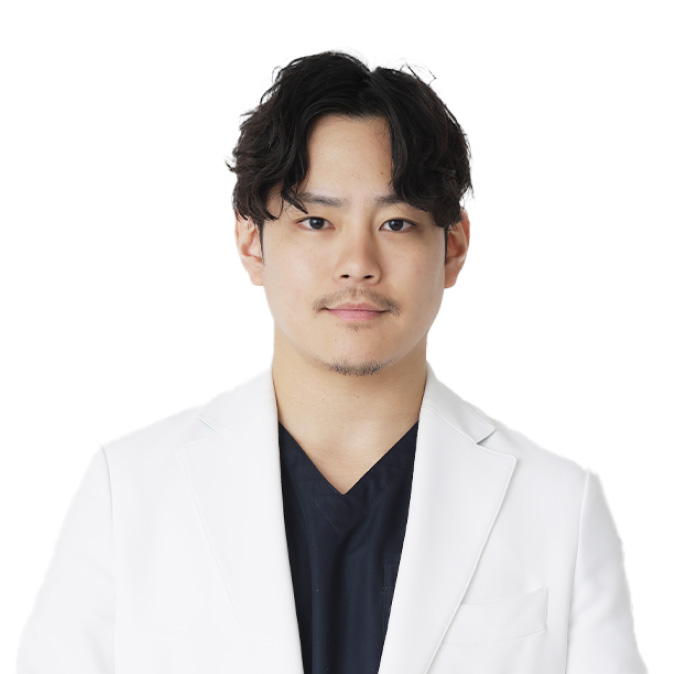
Our clinic places particular emphasis on attentive, individualized aftercare, offering everything from aesthetic dermatology to cosmetic surgery and helping each patient find the option that suits them best — from skin treatments and minor procedures to more significant surgery.
Qualifications and affiliations: Born in Oita Prefecture. BEng, Department of Engineering Physics, Kyoto University. MD, Nara Medical University. Studied at the Joslin Diabetes Center, Harvard Medical School. Previously at Nara Medical University Hospital, Kindai University Nara Hospital, and Tenri Hospital. Founder, Tokyo Bisen Clinic.
※ This article was prepared under medical supervision in accordance with Japan’s medical advertising guidelines. Treatment outcomes, costs, and timelines vary by individual. Please confirm details with a doctor.


Our clinic practices on the principle of accurate diagnosis, the appropriate procedure, at a fair price. Rhinoplasty is delicate surgery that affects the impression of the whole face. That is precisely why we place such importance on a doctor examining you directly from the start and making a recommendation matched to each patient’s condition and wishes. We want to receive the wish to look better carefully and honestly. That is our constant stance.